

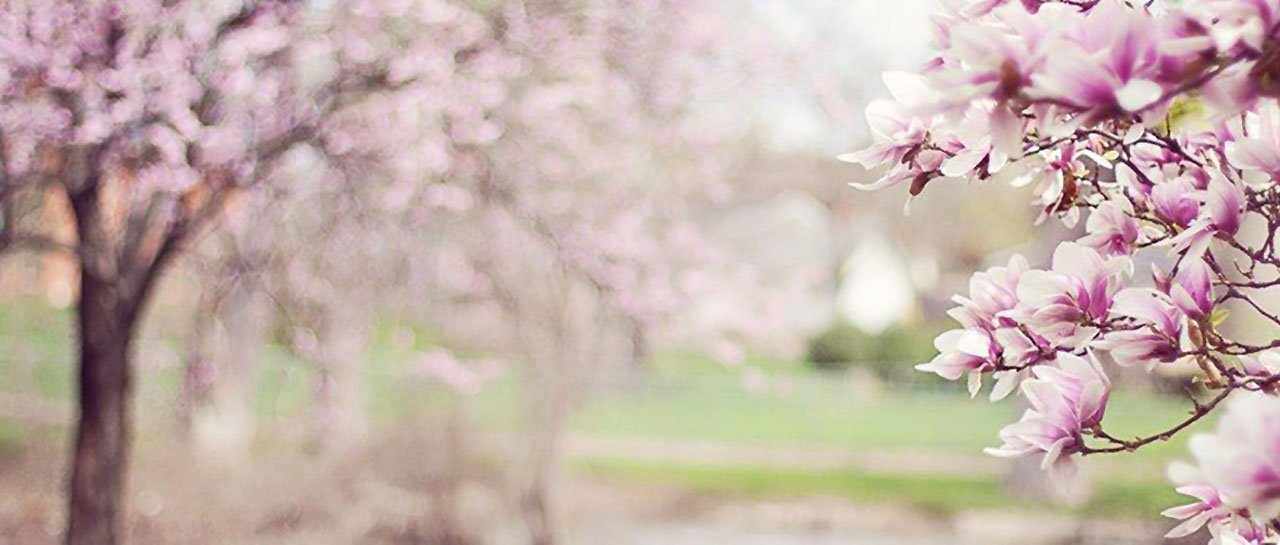
The New Year of the Trees, commonly known as Tu B’Shevat is an old Jewish tradition. The 15 of Shevat on the Jewish calendar which is a lunar calendar and therefore the date changes each year. However, it is the day when the earliest-blooming trees in Israel began to blossom. The purpose of the day is to celebrate the bounty of the Holy Land by eating fruit, especially those mentioned in the Torah (the Jewish Holy Book, which makes up the old testament and the Christian bible). These fruits are olives, pomegranates, grapes, figs and of course dates.
It is also a day when many trees may be planted as a gift for the earth. Nowadays in Israel the day is celebrated as an ecological awareness day, and trees are planted in celebration. Its role is important to the concept of Chadash.
How did it originate?
The name Tu BiShvat is derived from the Hebrew date of the holiday, which occurs on the fifteenth day of Shevat. "Tu" stands for the Hebrew letters Tet and Vav, which together have the numerical value of 9 and 6, adding up to 15. Tu BiShvat is a relatively recent name; the date was originally called "Ḥamisha Asar BiShvat" which also means "Fifteenth of Shevat".
Although this day is Rosh Hashanah for trees, Jews attach special significance to this holiday because in the Torah "Man is [compared to] the tree of the field" (Deuteronomy 20:19). Therefore it is believed that through cultivating strong roots, i.e., faith and commitment to God we all produce many fruits.
Jewish festivals always run from sundown on the previous evening to sundown of the day itself.
For more information see https://www.chabad.org/library/article_cdo/aid/468738/jewish/Tu-BiShvat-What-and-How.htm