

As Diwali (the festival of light) is to Lakshmi the goddess of wealth and prosperity then so Vasant Panchami is a festival to the Goddess Saraswati who is the goddess of knowledge, arts and everything written. Vasant comes from the word ‘spring” and thus heralds the beginning of Spring just as Imbolc does in the Celtic tradition.
Vasant Panchami is celebrated by Hindus in Nepal, Bali and of course India. As in most places it incorporates amy local traditions and is therefore celebrated differently in the north and South India. In the Punjab, in the north, it is celebrated as a kite festival whereas in the south it is celebrated as a harvest festival.
As the Goddess of knowledge and arts, in the north it is mainly celebrated in schools and colleges whereas in the south it is celebrated mainly in the temples. However, yellow is the colour of the day, where-ever it is being celebrate, as it heralds the arrival of spring and the positive energy of life. This is mainly a Hindu celebration but is also observed by some Jains, Sikhs and Buddhists as She is the Goddess of all written and performed arts.
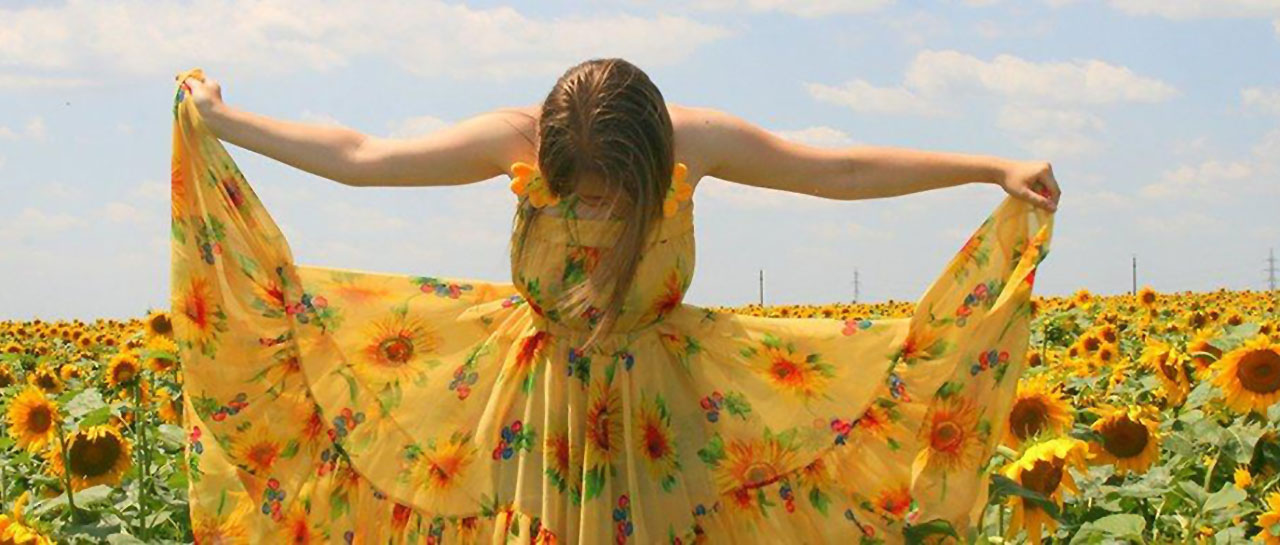
Statues of the goddess are dressed in yellow (some sources say white and this often depends on which local part of India the celebration is taking place) and young girls wear bright yellow (or white) dresses and participate in the festivities. The colour yellow holds a special meaning for this celebration as it signifies the brilliance of nature and the vibrancy of life. In many regions whole place bursts with yellow during the festival.
Also known as Basant Panchami
Vasant Panchami, also known as Basant Panchami, takes place on the 5th da of the month of Magh which in the Gregorian calendar falls in January or February.