

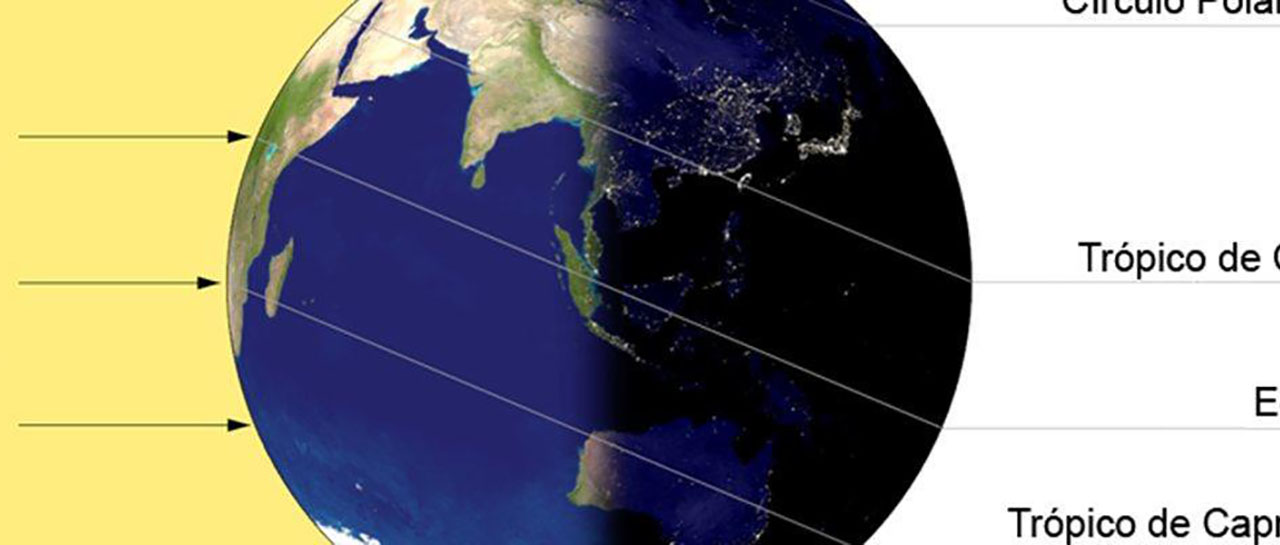
Makar Sankranti is the only Hindu festival based on the solar calendar and thus takes place on the 14th of January every year. This festival celebrates the Sun's movement in the tropic of Capricorn or Makar sign. The word ‘Sankranti’ literally means ‘movement’. Hence, the festival precisely denotes the movement of the Sun into Makar zodiac. The Makar Sankranti festival, day and night are of equal length and is therefore the Indian Spring Equinox and one of the oldest Equinox festivals in the world. The festival officially marks the onset of spring or Indian summer. After today the days start getting longer just as they do on 21st December in the UK.
It is celebrated throughout India in different ways and it also have different names in different parts of India such as in Punjab it is known as Lohri, in Uttar Pradesh it is celebrated as Kicheri. It is traditional to wear yellow clothes and eat yellow food, bathing in sacred waters and offering prayers.
The way Makar Sankranti is celebrated in every state of India is with faith and joy. This festival is mentioned in many religious texts
For more information see https://panchang.astrosage.com/festival/makar-sankranti?date=2020&language=en
Pongal Festival
This is followed by Pongal which is a 4 day harvest festival celebrated mainly in the southern states of India. It takes place in the month of Thai (sometime in January - February) when the crops such as rice, sugarcane, turmeric, etc. are being harvested.
Tamilians have a belief that family problems will be resolved during the Tamil month of Thai beginning on the day of Pongal. The famous saying “Thai Pirandhal Vazhi Pirakkum” meaning “along with joy and happiness, the month Thai will also bring new opportunities” summarises very well the purpose of the Pongal festival. The month of Tamil is also meant to be auspicious for wedding ceremonies, for more info on Pongal see https://panchang.astrosage.com/festival/pongal?date=2020&language=en