

Zula-Khural - the most important day for Tibetan Buddhists. It falls on the 25th day of the tenth month of the lunar calendar and celebrates the day the founder of the Tibetan Gelug School (Je Tsongkhapa (1357-1419), the founder of the Tibetan Gelug school passed into nirvana. Todays Followers of this school are traditional Sangha Buddhists of Russia, and many of the faithful throughout the world. Zula-Khural held for three days.
Who was Je Tsongkapa?
Tsongkhapa was acquainted with all the Tibetan Buddhist traditions of his time, and received lineages transmitted in all the major schools. His main source of inspiration was the Kadam school. His teachings drew upon these Kadampa teachings of Atiśa, emphasizing the study of Vinaya, the Tripiṭaka, and the Shastras. Atiśa’s Lamrim inspired Tsongkhapa’s Lamrim Chenmo, which became a main text among his followers.
He also practised and taught extensively the Vajrayana, and especially how to bring the Sutra and Tantra teachings together, wrote works that summarized the root teachings of the Buddhist philosophical schools, as well as commentaries on the Prātimokṣa, Prajnaparamita, Candrakirti’s Madhyamakavatara, logic, Pure Land and the Sarma tantras.
Tsongkhapa's first principal work, The Golden Garland of Eloquence demonstrated a philosophical view in line with the Yogacara school and, has become one of his hallmarks, It was influenced more by Indian authors than contemporary Tibetan sources. At this time his account of the Madhyamaka focused on its interpretation as a negative dialectic structure.
Almost as soon as Tsongkhapa's later works were published, they became highly influential, and have remained that way to present. However, opinion on whether or not his views are correct remain hotly debated. As Jinpa, Garfield and others point out, this controversy remains particularly active, and can be easily seen in modern published works.
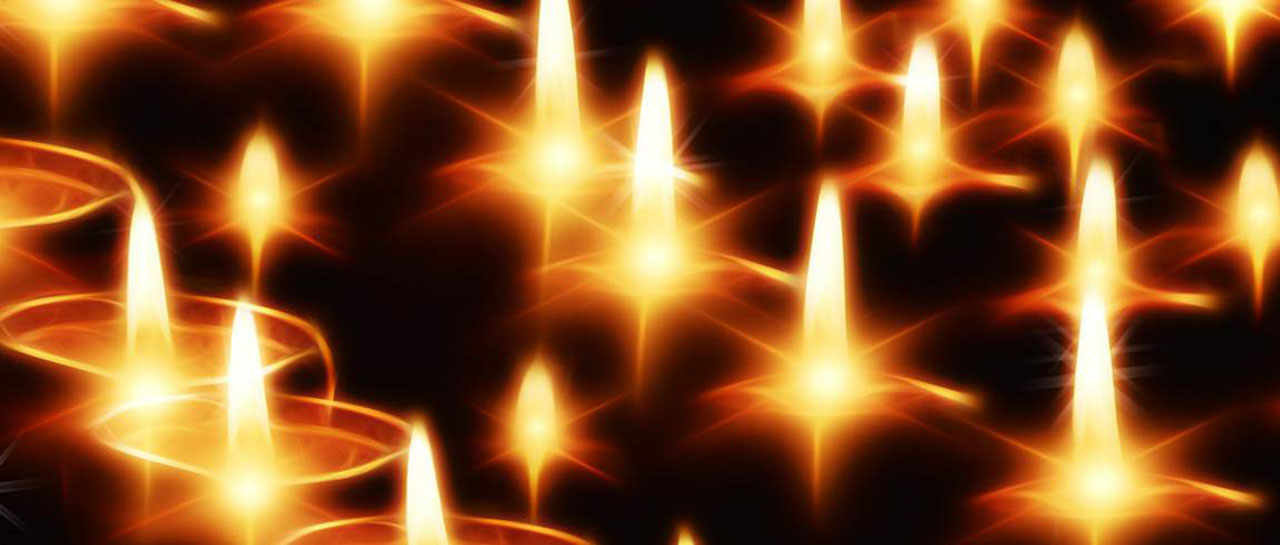
On the day of memory Tsongkhapa it has made a special porridge, which is brewed from pieces of dough. At nightfall, in and around the temples and monasteries are lit thousands of oil gravelights ("Zula", hence the name of the holiday). In memory of the great teachers of the lamps burn until dawn, and if you imagine the Buddhist monasteries and temples in the night from the top, they seem wonderful, bright and warm appeal to the inhabitants of heaven of all time. During the celebration of Zula-Khural favorably to commit all kinds of beneficent actions: to impose the vows (including silence as a sign of reverence for the Buddha), make offerings to the Three Jewels, fast, make offerings to churches and monasteries.
For more information see https://feast-guide.com/en/celebrations/297.html