

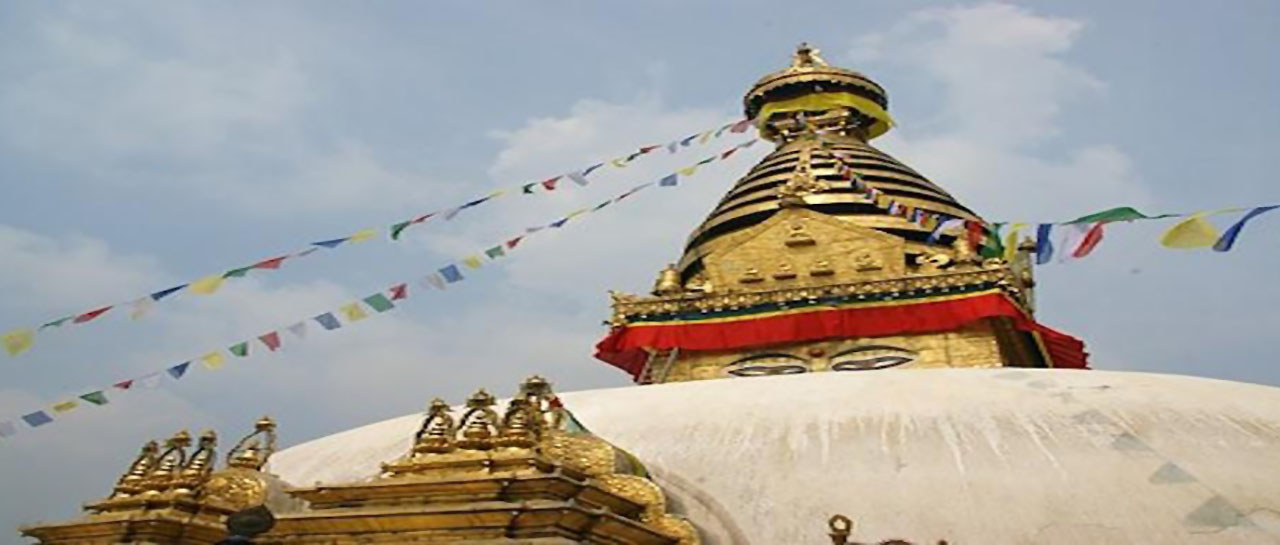
This one of Theravada Buddhism's most important festivals. It always falls on the full moon in July which is the 8th lunar month of the old Indian calendar. It commemorates Buddha's first public speech to five ascetics when he declared the middle way, the noble eight-fold path and the four noble truths upon which Buddhism is based. Celebrated by Buddhists worldwide, it’s considered a time to reflect on the qualities of the Buddha and express gratitude for his teachings which offer humanity a way to find release from its bonds.
Dharma refers to the body of the Buddha’s teachings. Siddhartha Gautama, (the future Buddha) was born a prince in northern India. As he grew he determined to remove himself from the confines of the palace and his life. He renounced his wealth and family and became an ascetic. He wandered the country in search of he yearned for wisdom and understanding. With his ascetic companions he found he had no greater understanding and decided sit under a Bondhi tree. After many trials and temptations, he eventually achieved enlightenment. Filled deep sense of peace, the Buddha felt overwhelming compassion for all beings. He then started to travel the world teaching.
This preceeds Vassa which starts the following day. Vassa is the Theravada Buddhist three month long rains retreat where monks seclude themselves in study and prayer throughout the three month long monsoon season. This began because originally monks would travel the country teaching the Dharma in return for food except in the monsoon season when they would gather together and share the wisdom teachings. It became known as the "rains retreat".
Vassa otherwise known as the Buddhist Rains Retreat is a 3 month retreat beginning at the start of the monsoon season. Monks begin a time of prayer and do not leave their monasteries unless absolutely necessary. They are supported by the local people who bring food to them. Many secular Buddhists also use this time to give us things like alcohol, cigarettes, meat in similar fashion to Christians observing lent. For more information about the origins of Vassa see here https://www.learnreligions.com/vassa-450114
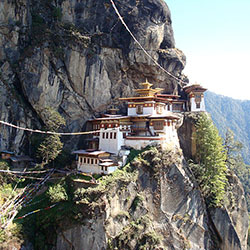 I remember arriving at the Takstang Monestary (Tigers Nest) in Bhutan on the last day of Vassa which was being honoured by a visit (pilgrimage) by the then Bhutanese Queen Mother, who walked up, we went on donkeys. She was very gracious and took the time to speak to all members of our party individually apologising for the fact one of the temples had been closed for her personal use. In fact, because of this we had been given access to another older temple which tourists are not usually allowed to visit and shown some of the secret wonders of the monastery. So all in all a perfect visit.
Hindu Tradition
In the Hindu tradition today is also known as Guru Purnima also celebrated on the full moon date of the Hindu month Ashadha. On this day, the Guru (teacher or mentor) in worshiped. In general terms, Guru is the person who brings us out to the light from the darkness by enlightening us with knowledge. This festival is celebrated with full faith and emotions throughout the nation.