

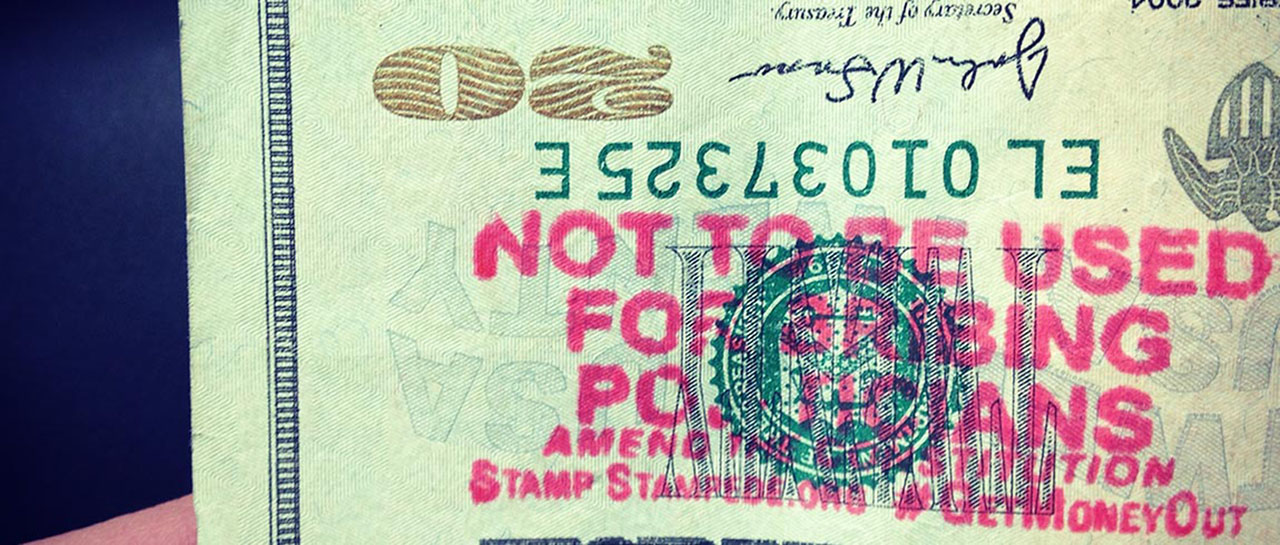
Today is International Anti-Corruption Day and if you believe half of what you read in the media corruption is rife everywhere even though the UN invited all countries to sign the United Nations Convention against Corruption (UNCAC) which is the first legally binding, international anti-corruption instrument that provides a chance to mount a global response to corruption. This was signed in 2003. Of course it is very topical at present with President Trump daily talking about corruption in the recent American election.
So what is Corruption and what is being done about it?
The aim of International Anti-Corruption Day “is to raise public awareness of corruption and what people can do to fight it”. It is a time for governments, legal bodies, lobby groups and politicians to work together in engaging the general public to fight against corruption and fraud in their communities.
That seems easier said than done and personally I can’t say I have seen much evidence of it reducing, in fact it seems to be spreading. People seem to think if others can get away with it then it should be the norm.
But what is corruption? According to the UN it is “refers to the destruction of one’s honesty or loyalty through undermining moral integrity or acting in a way that shows a lack of integrity or honesty”. Just because MPs in the UK are allowed to claim up to £85 a day for food does not mean they have to claim it all every day. It also refers to those who use a position of power or trust for dishonest gain.” Well if you haven’t spent £85 a day then it is dishonest to claim it even if everyone else does. That too me is dishonest but is it corrupt?
What type of actions would be classed as corrupt? Taking backhanders to push through legislation you don’t believe in certainly, but if you believe in the legislation why not? Except it is the start of a very slippery slope. Taking money to ensure foreign aid reaches the end user rather than stealing the goods and selling them to line your own pockets, that is definitely corruption and yet large charities often pay government officials to let the aid through.
Corruption comes in various shapes and sizes such as bribery, law-breaking without dealing with the consequences in a fair manner, unfairly amending election processes and results, and covering mistakes or silencing whistleblowers (those who expose corruption in hope that justice would be served). The end result of corruption is that it undermines democracy, creates unstable governments, and sets countries back economically. You only have to ask any “whistleblower” about the results of exposing corruption which is why probably very few people do.
The trouble is there are always different points of view and we know how politicians actually employ “spin doctors” to ensure the public only understand the one view. Listening to Keynote speeches by those who were victims of corruption and fought against it is always interesting.
The problem lies, if you have no moral integrity then you are automatically corruptible and one of the underpinning precepts of moral integrity is self-respect and accepting personal responsibility. I remember seeing in a local college signs everywhere saying “if you want respect you must give it” and yet respect and personal responsibility seem to be things of the past for most people.